Bone Strength and Winter Falls: What You Can Still Change
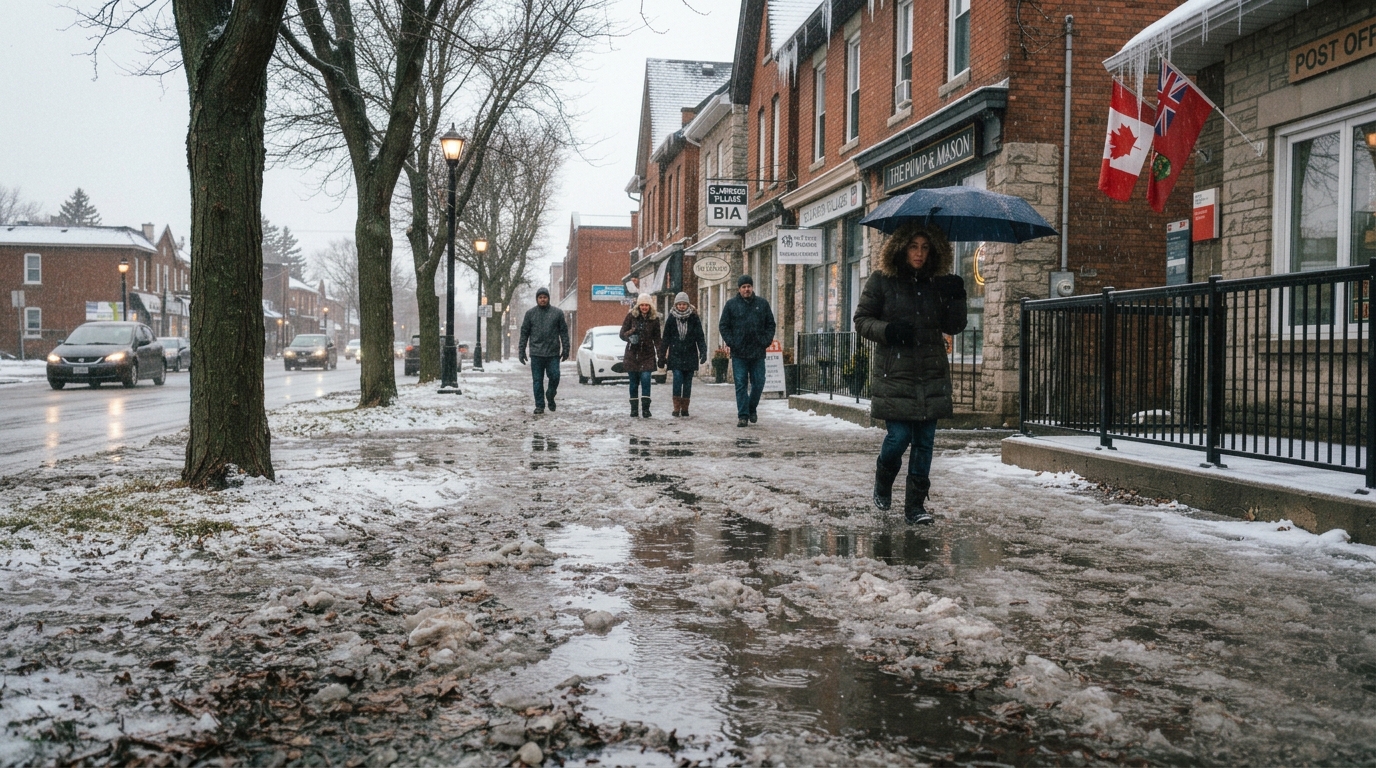
The first icy morning of the season always brings the same kind of patient through our door. Someone stepped out to get the paper or walked across a parking lot, their feet went out from under them, and they put a hand down to catch themselves. Sometimes it is a bruise. Sometimes it is a broken wrist, and a first hint that their bones are not as strong as they assumed.
Why winter falls matter more than you think
According to Osteoporosis Canada, at least one in three women and one in five men will break a bone because of osteoporosis during their lifetime. Most of these fractures do not come from dramatic accidents. They come from ordinary falls from standing height, the kind that happen on a slick driveway or a step outside a coffee shop.
The wrist, spine, shoulder and hip are the most common sites. A wrist fracture in your fifties or sixties is often the first sign that bone density is lower than it should be, and it is worth asking your doctor whether a bone density test makes sense.
Bone loss is also quiet. Most people start losing bone in their mid-thirties, and women tend to lose it faster around menopause. You cannot feel it happening, which is why it so often shows up for the first time as a fracture.
Two things you can still change
When we talk about preventing these fractures, we are really talking about two separate things.
How strong your bones are. Bone responds to load. Progressive strength training, where the weight gradually increases over time, and some safe impact work send a stronger signal to bone than walking alone. Your doctor may also recommend medication, and exercise works alongside it, not instead of it.
How likely you are to fall. This is the part people overlook. Leg strength, how quickly you can react, your balance and your footwear all decide whether a slip becomes a fall. Balance is a skill, and like any skill it improves with practice at any age.
Getting ready for the icy months
A few practical changes before the first real freeze:
- Practise balance every day. Standing on one leg while you brush your teeth, holding the counter if you need it, is a simple start.
- Strengthen your legs and hips twice a week. Sit-to-stands from a chair, step-ups and heel raises are a good foundation.
- Check your boots. Good tread, a low wide heel and a snug fit matter more than style. Ice cleats that slip over your boots are worth considering for the worst days.
- Slow down on transitions. Getting in and out of the car, the first step off a curb and the bottom of stairs are where slips tend to happen.
- Keep your hands free. Carrying bags in both hands makes it harder to catch your balance.
How we help
Our Registered Kinesiologist runs exercise programs built for bone health and fall prevention, including the Too Fit to Fracture approach developed with Osteoporosis Canada. We look at your history, any previous fractures and what you want to keep doing, and build a plan that is safe and progressive. You can read more about our kinesiology and personal fitness services.
No referral is needed to book with us, though some insurers do require one. We direct bill many insurers, and we also accept MVA and WSIB claims.
When to get urgent help: After a fall, if you cannot bear weight, have a visibly deformed wrist or limb, hit your head, or develop new back pain that is severe or getting worse, go to the nearest emergency department.
Start before the ice does
If you have had a fracture after a minor fall, have been told your bone density is low, or simply feel less steady than you used to, now is a good time to start.
Book online at our booking page or call (905) 278-7101. You can also read more on our blog.
Fady Rofail, PT, DPT
General information only, not a substitute for an individual assessment.
Frequently asked questions
Can you improve bone density?
For many people, the right kind of exercise can help maintain bone density and, in some cases, improve it modestly. Progressive strength training and some impact work tend to help more than walking alone. Medication, where your doctor recommends it, is often part of the picture too, and exercise works alongside it.
What is the most common fracture from a fall on ice?
Wrist fractures are very common after slipping, because people instinctively put a hand out to catch themselves. Hip, shoulder and spine fractures are also common in people with low bone density, and hip fractures are among the most serious.
Is walking enough to keep bones strong?
Walking is good for your heart, your mood and your balance, but on its own it is usually not enough load to build bone. Adding strength training two days a week and daily balance practice gives your bones and your fall risk a better chance.
Is it safe to exercise if I have osteoporosis?
For most people it is not only safe but strongly recommended. Some movements, like heavy loaded forward bending or twisting, may need to be modified if you have had a spine fracture. A physiotherapist or kinesiologist can tailor a program to your bone health and history.
Do I need a referral to see a kinesiologist or physiotherapist?
No referral is needed to book with us, though some insurance plans require one before they will pay. It is worth checking your plan before your first visit.
Let’s Get You Moving
Whether you're starting your recovery or looking for long-term wellness support, we’re here to help—every step of the way. Our experienced team is committed to understanding your unique needs and guiding you with personalized care. From your first visit to your final milestone, we’re with you—focused on progress, comfort, and lasting results.