Ice or Heat for Knee Pain? How to Choose
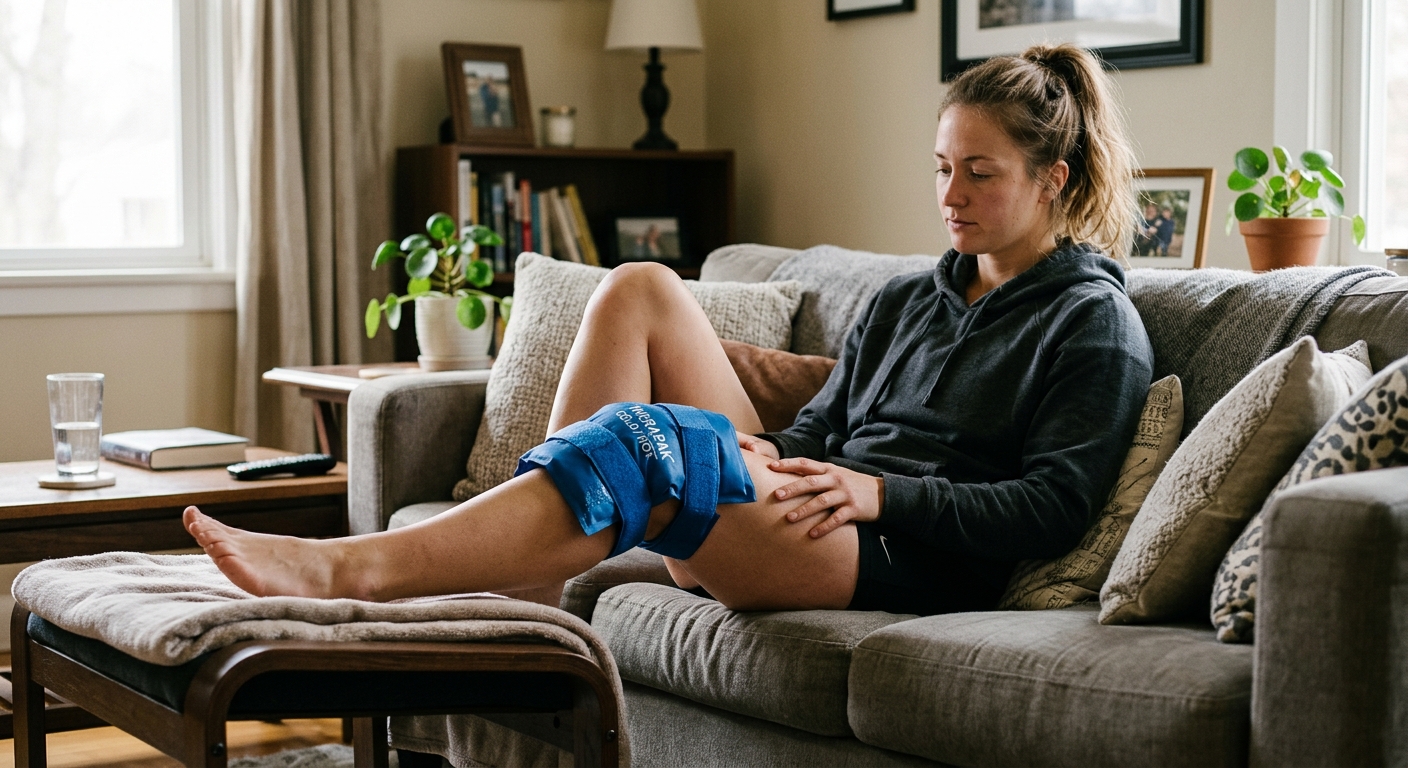
It is one of the most common questions I get at the front desk and in the treatment room: should I be putting ice or heat on my knee? The honest answer is that it depends less on the knee and more on what kind of pain you are dealing with. A knee you twisted on the stairs yesterday is a very different problem from a knee that has been stiff every morning for three years.
A fresh knee injury: think cool and calm
If you have just tweaked your knee, the joint may be swollen, warm and sore to bend. In the first couple of days, a cold pack can help take the edge off the pain. Wrap it in a thin towel and leave it on for 10 to 15 minutes, a few times a day if it helps.
What cold is unlikely to do is speed up healing. Swelling is part of how the body starts its repair work, so the goal with ice is comfort, not shutting that process down. Gentle movement, keeping the knee elevated when you rest, and light compression with a sleeve or wrap are often just as useful as the cold pack itself.
A stiff or achy knee: warmth often feels better
For knees that are stiff rather than freshly hurt, heat tends to win. This includes knee arthritis, the ache after sitting through a long meeting or drive, or a knee that feels tight before a walk. Warmth helps the tissues around the joint relax and can make the first few minutes of movement easier.
A warm shower, a microwavable heat pack or a warm towel for 15 to 20 minutes works well. Many of my patients with arthritis find a few minutes of warmth before their morning walk makes a real difference as the weather turns colder.
A quick way to decide
- Just injured, swollen or warm to the touch: try cold, 10 to 15 minutes.
- Stiff, achy, worse after rest or in the cold: try warmth, 15 to 20 minutes.
- Arthritis flare with new swelling: cold may feel better that day, then go back to warmth when it settles.
- Not sure: pick the one that feels better. Both are mainly for comfort, so your own response is a good guide.
Whichever you choose, keep a layer between the pack and your skin, and avoid using either over areas with reduced sensation.
Neither one replaces movement
Ice and heat are short-term comfort tools. What changes how a knee feels over weeks and months is how well the muscles around it are working, especially the quadriceps, hamstrings and hip muscles. A knee that has been protected for a while often loses strength quickly, and that loss can keep pain going long after the original problem has settled.
That is where physiotherapy comes in. We look at how your knee moves, how you load it on stairs and during your day, and build a plan to restore strength and confidence. You can read more about our physiotherapy services.
No referral is needed to book physiotherapy with us, though some insurers do require one. We direct bill many insurers, and we also accept MVA and WSIB claims.
When to get urgent help: If you cannot put weight on your leg after an injury, the knee looks deformed, swells rapidly within the first hour or two, or becomes hot, red and swollen with a fever, go to the nearest emergency department or urgent care.
Get your knee assessed
If your knee keeps swelling, locks or catches, gives way, or simply is not getting better, it is worth having it looked at. Whether you are a winter walker along the Waterfront Trail, a hockey parent spending hours in cold arenas, or someone managing arthritis, we will help you find the right starting point.
Book online at our booking page or call (905) 278-7101. You can also read more on our blog.
Fady Rofail, PT, DPT
General information only, not a substitute for an individual assessment.
Frequently asked questions
Should I put ice or heat on a knee injury?
For a knee you have just twisted or knocked, especially if it is swelling, a cold pack for 10 to 15 minutes can take the edge off the pain. Heat is usually better saved for knees that are stiff and achy rather than freshly hurt. Either way, gentle movement within comfort matters more than which pack you choose.
Is heat good for knee arthritis?
Many people with knee arthritis find warmth helpful, particularly for morning stiffness or before a walk. A warm shower, a heat pack or a warm towel for 15 to 20 minutes is a reasonable place to start. If a flare comes with new swelling and warmth in the joint, a cold pack may feel better that day.
How long should I ice my knee?
About 10 to 15 minutes at a time is plenty. Always put a thin cloth between the cold pack and your skin, and check the skin partway through. Longer sessions do not add benefit and increase the risk of skin irritation.
Can ice or heat make my knee worse?
Used sensibly, neither is likely to cause harm, but both can irritate or burn the skin if left on too long or applied directly. Avoid heat or ice over areas where you have reduced sensation, and do not sleep with either one on.
When should I see a physiotherapist for knee pain?
Book an assessment if your knee keeps swelling, gives way, locks or catches, or is not improving after a week or two. You do not need a referral to see a physiotherapist with us, though some insurers require one. A knee you cannot put weight on after an injury should be seen urgently.
Let’s Get You Moving
Whether you're starting your recovery or looking for long-term wellness support, we’re here to help—every step of the way. Our experienced team is committed to understanding your unique needs and guiding you with personalized care. From your first visit to your final milestone, we’re with you—focused on progress, comfort, and lasting results.