Is my child's backpack causing their back pain?
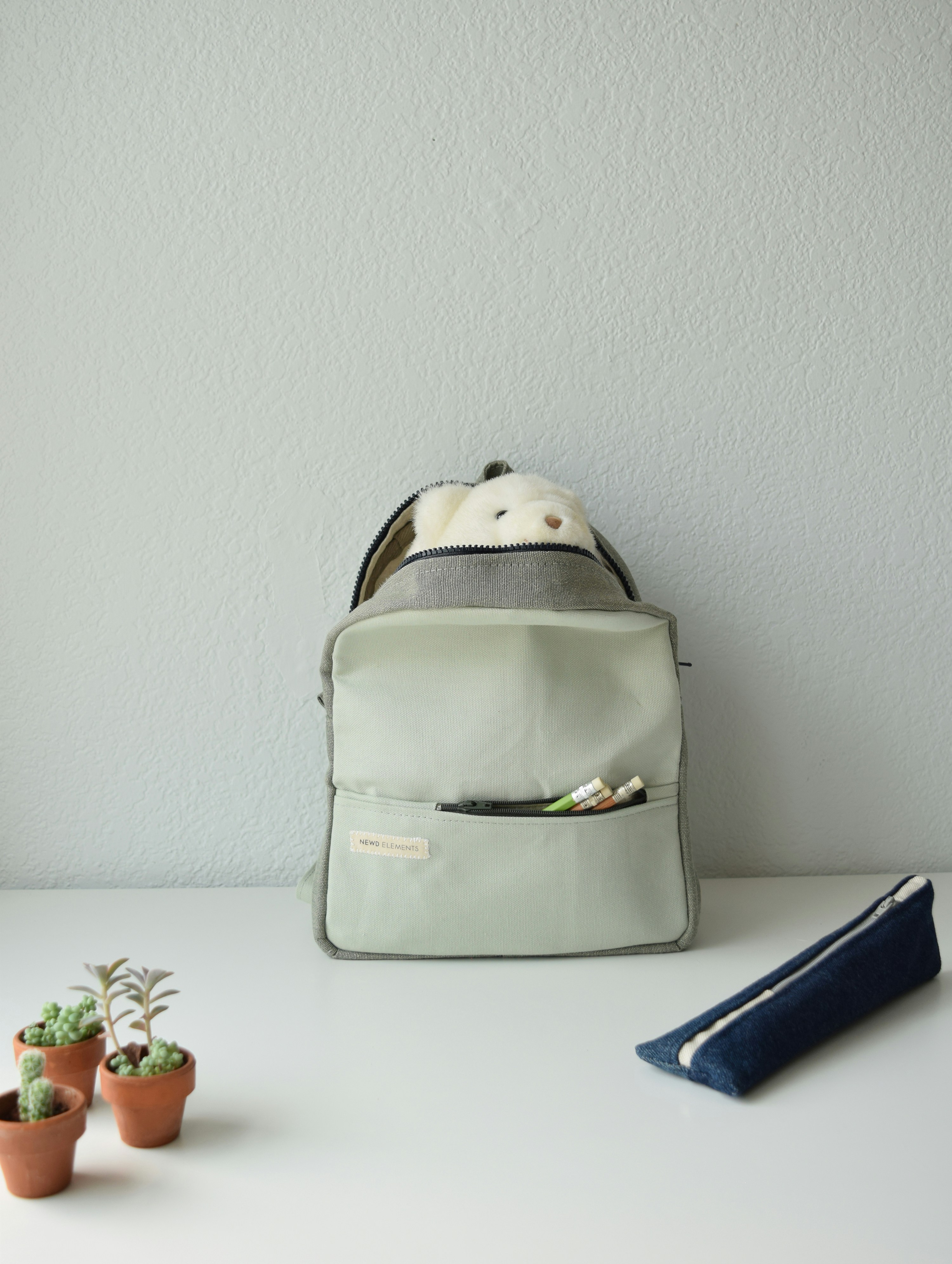
Every fall the same thing happens. A few weeks into the school year a parent brings in a child who has started complaining that their back or shoulders hurt, and the first question is almost always whether something is seriously wrong. Most of the time it is not. But the cause is often hiding in plain sight, sitting on the child's shoulders every single day — the backpack.
Soreness from a backpack is very common and one of the most preventable things we see, and the good news is that fixing it rarely requires much more than a bathroom scale and five minutes. The single most useful number to know is how much the bag actually weighs relative to your child. The broadly agreed guideline, echoed by the American Academy of Pediatrics and physiotherapy research alike, is that a loaded backpack should not exceed roughly ten to fifteen percent of a child's body weight — and closer to ten percent is better. For a sixty pound child that is about six pounds. For a ninety pound child, nine. If that sounds low, it is worth actually weighing a typical school-day bag, because most are well over the mark by October once the water bottle, binders, laptop and forgotten lunch containers have accumulated.
Weight is only half the story. How the bag is worn matters just as much. The single strap slung over one shoulder — the look every kid seems to prefer — forces the spine to lean and twist to counterbalance the load, and a growing spine does not need that asymmetry hour after hour. Both straps, every time, is the rule. The bag should sit high and snug against the back rather than sagging down near the hips, and if it has a waist or chest strap, using it genuinely helps distribute the load off the shoulders. Packing matters too: heaviest items go closest to the back, and anything that does not need to make the trip should stay home.
The reason I care about this in a growing child specifically is that young spines are adaptable, which cuts both ways. They tolerate a lot, which is why a heavy backpack rarely causes a dramatic injury. But they also respond to repeated loading over time, and a persistent forward-leaning posture to manage a heavy bag is not a habit you want setting in during the years the spine is still developing. This is also, incidentally, the age when scoliosis is most often first noticed, and while backpacks do not cause scoliosis, a child who is regularly sore or postural is worth a proper look for reasons beyond the bag.
So when is it worth booking an assessment rather than just lightening the load? A few signs are worth paying attention to: red marks pressed into the shoulders after taking the bag off, a child who leans noticeably forward to walk or struggles to lift the bag onto their back, neck or shoulder pain that keeps recurring, any tingling or numbness in the arms, or a change in posture that you or a teacher have started to notice. Tingling in particular is worth having checked promptly, because it points to something more than tired muscles. None of these mean something is seriously wrong, but they do mean the situation has moved past what adjusting straps will fix on its own, and a short assessment can sort out what is muscular, what is postural, and what simply needs the load managed better.
If your child has been complaining since school went back, it is worth having someone take a look before it becomes a pattern. Small corrections now — a lighter bag, both straps, a bit of targeted strengthening if the muscles have been overworked — are far easier than unwinding a habit that has had a full term to settle in.
As always, if there's a topic you'd like me to write about, let me know — I'm happy to cover the questions that come up most often in the clinic.
Fady Rofail Physiotherapist
Let’s Get You Moving
Whether you're starting your recovery or looking for long-term wellness support, we’re here to help—every step of the way. Our experienced team is committed to understanding your unique needs and guiding you with personalized care. From your first visit to your final milestone, we’re with you—focused on progress, comfort, and lasting results.