Tennis Season!
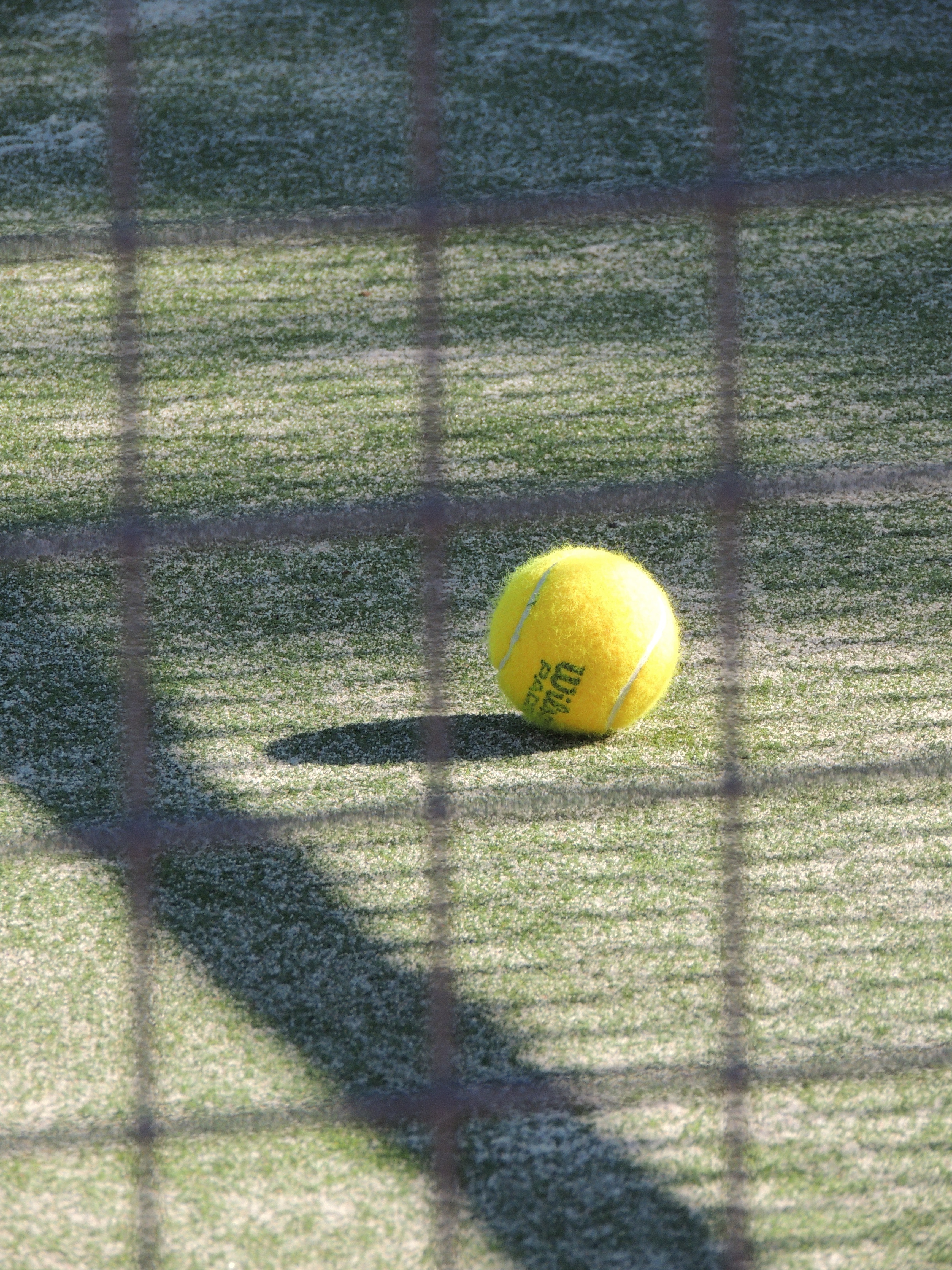
The Grand Slam season is well upon us!
For all of my fellow tennis lovers &players, you understand the excitement this statement brings! Wimbledon iswinding down this weekend so we are in the middle of the outdoor tennis season.Like many of you, I have been taking full advantage of the sun and getting outon the court almost every day! Being on the court outside so often hasdefinitely come with some challenges. So I thought I would discuss a few thingsthat I think will help you get the most out of your time on the court!
The sun is the first challenge and althoughit provides optimal conditions for outdoor tennis, it may also cause issues ofdehydration and overheating. Having played in many warm outdoor facilities inthe southern U.S., I found that by sipping on water before, during and after mytime on court really helped with maintaining my level of play. Putting yourselfat risk of dehydration will not only have negative effects on your health butmay also decrease your level of performance - and nobody wants that! But don’tlet this shy you away from the tennis court – there are a few simple thingsthat you can do to prevent these problems from occurring. The International TennisFederation website lists many great tips to reduce your risk factors for heatrelated illnesses. Some of these suggestions include:
· Wearingappropriate clothing - clothing should be loose fitting to allow circulation ofair between the shirt and body and should also be light coloured. Always wear ahat or visor as well!!
· Acclimatization– Try to get your body used to playing tennis in warmer weather by starting withshorter periods of play while increasing the duration over time.
· When toplay – Avoid the hottest times of the day.
· ALWAYSwear sunscreen of SPF 30 or greater! If you plan to play more than 2 hours orare participating in multiple sessions throughout the day, make sure you reapplyas it is likely you have sweat off the sunscreen during your time on court.
Tennis can be a very physically demandingsport. It is very important to incorporate a warm up to prepare your body forquick and sudden movements it is about to make. The good news is, your physicalwarmup does not need to be lengthy! It should include dynamic movements thatwill get your body ready to play tennis. My warmup typically lasts from 5 to 7 minutes and includes thefollowing:
· Jogging/walkingfrom the baseline to the net 3-4 times
· Walkinghamstring stretch
· Walkingquadricep stretch
· Armcircles (forwards & backwards)
· Anyother stretches or movements that you feel will increase your performance onthe court!
A proper warm up will not only improve yourperformance, it will also decrease your likelihood of injury.
Another tip for decreasing your chance ofinjury during tennis is having the right gear. This means having the proper footwearand proper racket weight. Talk to the experts at the stores where you purchaseyour equipment before buying anything. They will help you decide what is suitableto your needs! It is also important to pay attention to your technique. EvenRoger Federer has a coach that helps him work on his technique so it neverhurts to consult a coach every once in a while.
Although most people reading this, includingmyself, won’t be playing at Wimbledon anytime soon, it doesn’t mean we areimmune from injury. If you do have an injury, give yourself a chance to recover.Get the appropriate help including physiotherapy and medical treatment as soonas possible.
I will finish with some common tennis relatedinjuries to look out for:
· TennisElbow - Inflammation of the tendons joining the forearm muscles to the outsideof the elbow. Signs to look out for include pain or burning on the outside ofthe elbow and weak grip strength.
· RotatorCuff Tears – Are you experiencing shoulder pain when you serve? Symptoms of arotator cuff tear include pain, tenderness, and weakness in the shoulder,difficulty lifting the arm, and snapping and crackling noises while moving theshoulder.
· LowerBack Pain – This is an issue I have struggled with in the past and I believe itwas due to a lack of stretching after competing. Tennis requires a combinationof bending the back, side bending and rotation of the trunk. These motions putstress on the vertebrae in the lower back and can result in significant pain.
· AnkleSprains – I have also battled with multiple ankle sprains during my time as atennis athlete. Since tennis can be a fast paced game, a sudden sideways motioncan cause the ankle to twist, stretching out or damaging one of the ligamentsin the ankle. A sprain can cause pain, stiffness and swelling in the ankle.
Now that you know how to protect yourselffrom the sun, get yourself ready to play and lower your chance of becominginjured…you’re ready to get out onto the court and play! See you all out there!
Thanks for readingmy post! If you have any questions or feedback please send us an email or reachout to us on Facebook or Instagram and look out for more health relatedinformation on journal soon!
Megan Blue BScMSc
About Megan Blue – Megan is currently preparingto complete her registration as a Kinesiologist in Ontario. She has completed aMaster Degree in exercise physiology. Shehas played Division I tennis in Kentucky & South Georgia. Currently she isa member of the rehab team at Physiotherapy and Beyond and still an avid tennisplayer!
Let’s Get You Moving
Whether you're starting your recovery or looking for long-term wellness support, we’re here to help—every step of the way. Our experienced team is committed to understanding your unique needs and guiding you with personalized care. From your first visit to your final milestone, we’re with you—focused on progress, comfort, and lasting results.