Weight Loss (Part I)
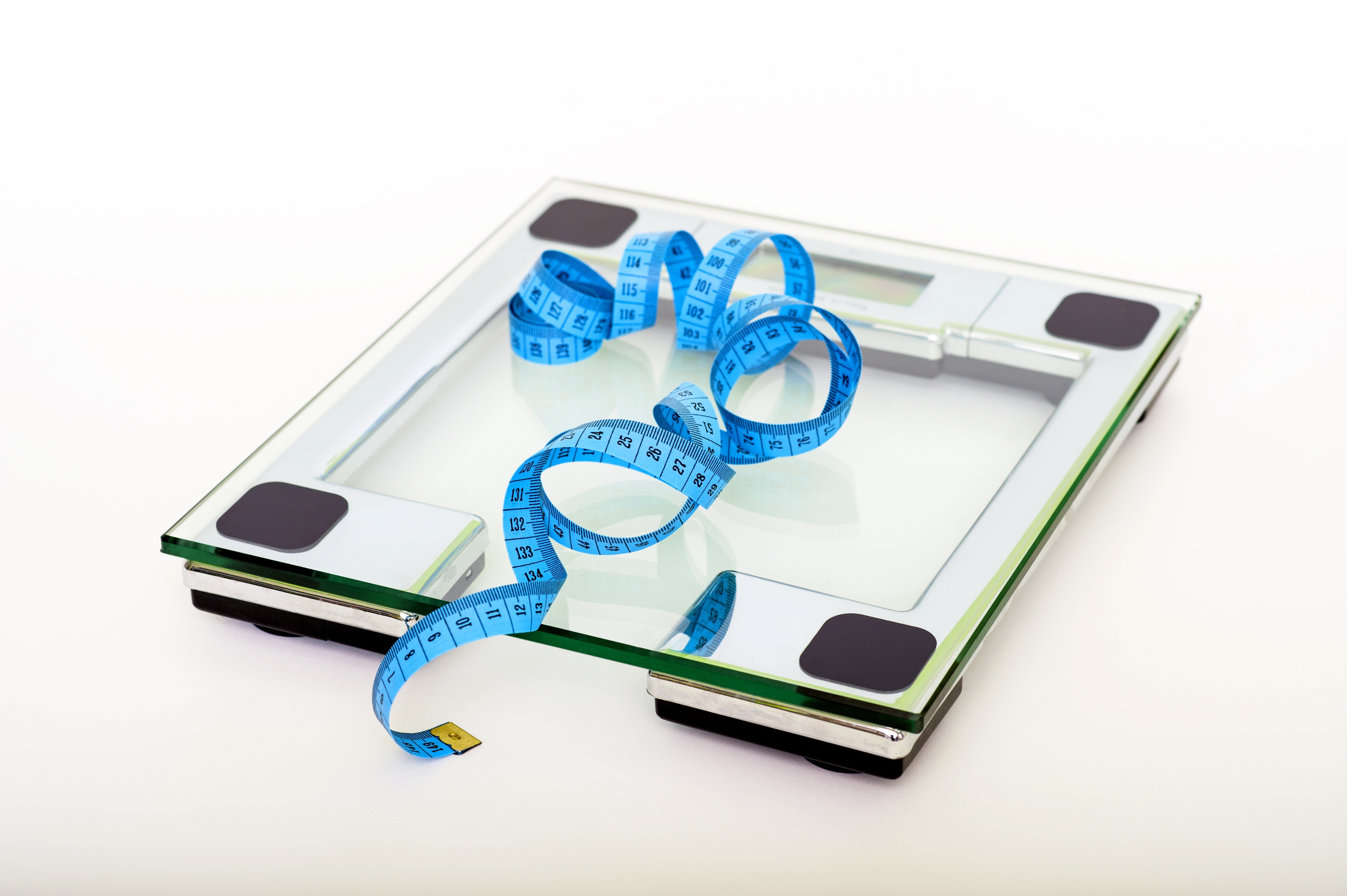
People come to me for dietary advice and recommendations fora variety of reasons, but the most common reason is weight loss. We live in aweight- and diet-centric world, and unfortunately many people feel pressured tolose weight often to conform to a standard or ideal that society has set out offor us.
The first thing I ask people when they tell me they want tolose weight is why? My goal with thisquestion is to get patients not to focus on their actual weight, but the reasonbehind their desire for weight loss. This is because research has shown thatfocusing on the number on the scale is highly ineffective for making positivedietary and lifestyle changes. If people instead focus on goals related to theiroverall health, they find it much easier to make changes that will result inpositive health outcomes (which caninclude weight loss as a side effect!)
For example, a person may wish to lose weight so that theycan participate in an upcoming canoeing trip with their family without feelingsluggish or out of breath. Or, someone may want to shed some pounds so thatthey can lower their blood pressure and not have to rely on hypertensivemedication any longer. Focusing on these types of long-term goals is much moreeffective than focusing on weight.
Speaking of numbers, while paying attention to how much youweigh or how much weight you’ve lost is not helpful in the long-term, there arecertain values you can focus on that are much more valuable indicators ofhealth and healthy behaviors. The “balanced plate” is a good example – if youalways try to fill ½ of your plate with vegetables, ¼ with a protein and ¼ witha whole grain, you’ve met your goal of eating a healthy and nutritious meal.Other valuable numbers to focus on for markers of health include:
· 120/80mmHg blood pressure – Blood pressure is a good indicator of our heart andoverall health, and anything above 120/80 mmHg increases risk of heart diseaseand other health problems.
· 25-35grams of fiber – The majority of Canadians do not consume enough fiber,however fiber is extremely important for gut health, blood sugar regulation andweight loss. You can find fiber in fruits, veggies and whole grains.
· 100 mg/dLblood sugar – Anything higher thanthis and you may have/be at risk for type II diabetes. Thankfully, thiscondition can often be completely managed by lifestyle, including diet andexercise.
· 150minutes of physical activity – This is the recommendation for the amount ofphysical activity you should get every week, preferably broke up into smallerincrements. Physical activity is not only important for weight management, butfor lowering your risk of chronic disease.
· 7-8 hoursof sleep – People always look at me oddly when I ask them about their sleephabits, however sleep is very important for overall health, and poor sleep canactually impact eating habits and weight.
On the other hand, focusing on the number on the scale, BMI(which can be an inaccurate indicator of health and is really only valuable ata population level) or clothing size is not helpful when trying to make (andsustain) healthy lifestyle behaviors.
Stay tuned for my second installment on weight loss when Italk about what and how to eat if you want to lose weight, and if all those faddiets out there are actually worth it!
Julia Burt, B.Sc(Hons), M.Sc(A), RD
Let’s Get You Moving
Whether you're starting your recovery or looking for long-term wellness support, we’re here to help—every step of the way. Our experienced team is committed to understanding your unique needs and guiding you with personalized care. From your first visit to your final milestone, we’re with you—focused on progress, comfort, and lasting results.