What Is Direct Billing? How It Works With Your Health Benefits
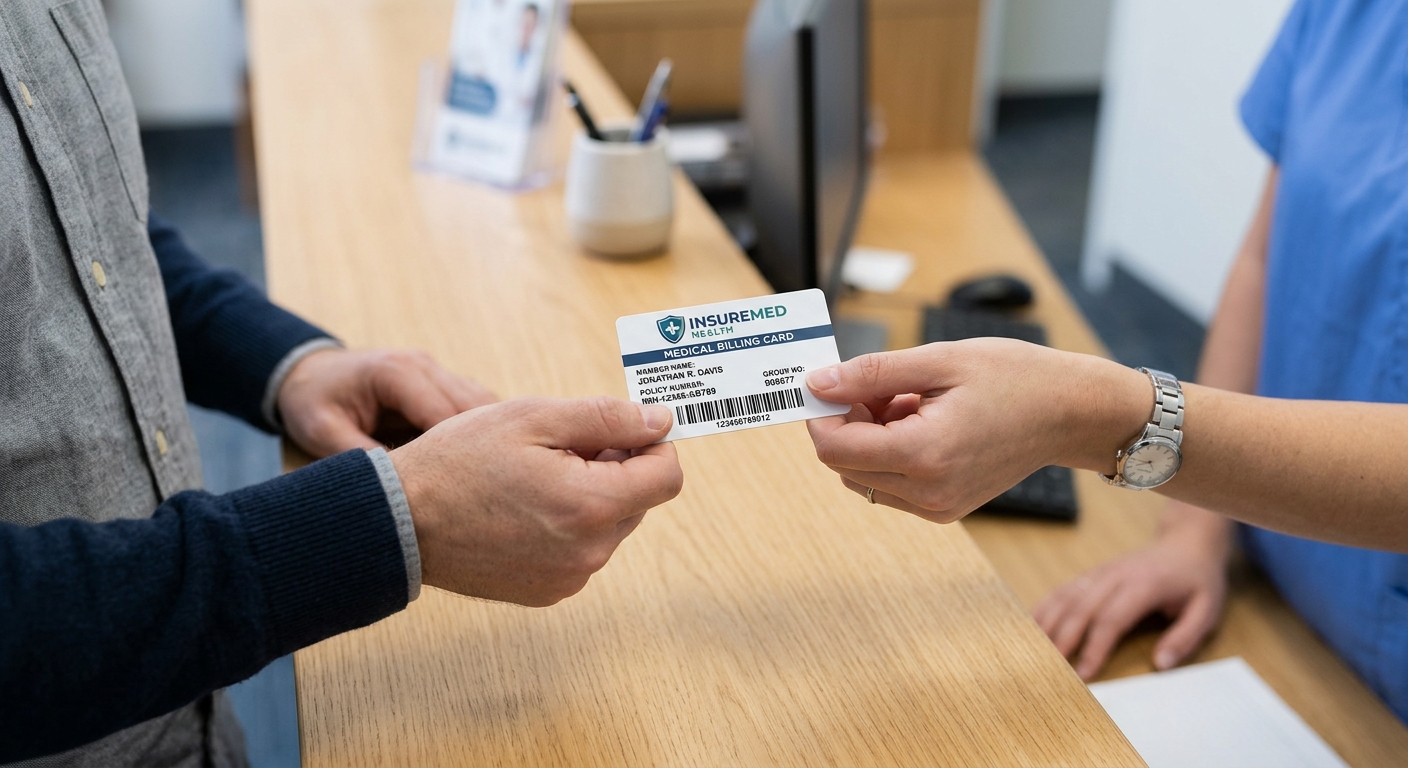
One of the most common questions at our front desk has nothing to do with sore backs or stiff knees: "Do you direct bill?" Usually followed by a slightly less confident "and what does that actually mean?" It is a fair question. Insurance language is not always clear, so here is a plain explanation.
What direct billing means
Direct billing simply means the clinic sends your claim to your insurance company for you, right at the time of your visit. Instead of paying the full fee up front and waiting for a cheque or deposit, you only pay the part your plan does not cover.
Without direct billing, you pay the clinic in full, get a receipt, submit it yourself through your insurer's app or website, and wait to be reimbursed. Both routes end in the same place. Direct billing just removes the waiting and the paperwork on your end.
What it does not change
Direct billing is about who submits the claim, not what your plan covers. A few things are worth knowing:
- Co-payments still apply. If your plan pays 80 percent, the remaining 20 percent is paid at the visit.
- Yearly maximums still apply. Once you have used your limit, the insurer will decline the claim.
- Some plans need a referral. You do not need one to see a physiotherapist in Ontario, but some insurers will not pay without it.
- Each service is usually separate. Physiotherapy, massage therapy, chiropractic care and osteopathy often have their own limits.
- Plan years vary. Many plans reset on January 1, others on a different date. If you are partway through treatment, it helps to know when yours ends so there are no surprises.
Why a claim might not go through
Occasionally a claim is declined at the desk. The usual reasons are a reached maximum, a missing referral, a plan that requires you to submit claims yourself, or details that do not quite match what the insurer has on file, such as a name spelling or date of birth. When that happens, the visit is still payable that day, and you can sort out the details with your insurer afterward.
What to bring to your first visit
To make direct billing go smoothly, have these ready:
- Your benefits card, or your group and certificate numbers
- The plan member's full name and date of birth, if the coverage is through a spouse or parent
- A referral, if your plan requires one
- Any claim numbers for MVA or WSIB cases
Our front desk team can check most claims at the time of your visit, so you will know before you leave what was covered.
Coverage should not decide your care
Having benefits available is not, on its own, a reason to book treatment. The right reason is a problem that is affecting how you move, work or live. If you come in and your issue is likely to settle on its own, or a few exercises at home will do the job, we will tell you that. And when treatment does make sense, the number of visits should be based on how you are progressing, not on how much coverage is left.
Questions about your coverage?
We direct bill many insurers, and we also accept MVA and WSIB claims. Coverage depends on your own plan, so we cannot promise an amount in advance, but we are happy to help you understand how it works. You can see the full range of services we offer.
Call (905) 278-7101 to check whether we direct bill your insurer, or book online at our booking page.
Fady Rofail, PT, DPT
General information only, not a substitute for an individual assessment.
Frequently asked questions
What does direct billing mean?
Direct billing means the clinic submits your claim to your insurance company on your behalf at the time of your visit. Instead of paying the full fee and waiting for reimbursement, you only pay any amount your plan does not cover, such as a co-payment or anything over your limit.
Does direct billing mean my treatment is free?
Not necessarily. Direct billing changes who submits the claim, not what your plan covers. If your plan pays 80 percent, you still pay the remaining 20 percent. If you have used up your yearly maximum, the insurer will decline the claim and the visit is your responsibility.
Do I need a doctor's referral for physiotherapy?
You do not need a referral to book physiotherapy in Ontario. Some insurance plans do require a referral before they will pay, so it is worth checking your plan booklet or calling your insurer before your first visit.
What happens if my claim is declined?
The visit is still payable at the time of your appointment. A claim can be declined for reasons such as a reached maximum, a missing referral, or details that do not match the insurer's records. Our front desk can usually tell you the reason, and your insurer can explain what your plan requires.
Which insurers does Physiotherapy & Beyond direct bill?
We direct bill many major insurers. Because plans and policies vary, the easiest way to confirm is to call us at (905) 278-7101 with your insurer's name before your appointment. We also accept MVA and WSIB claims.
Let’s Get You Moving
Whether you're starting your recovery or looking for long-term wellness support, we’re here to help—every step of the way. Our experienced team is committed to understanding your unique needs and guiding you with personalized care. From your first visit to your final milestone, we’re with you—focused on progress, comfort, and lasting results.